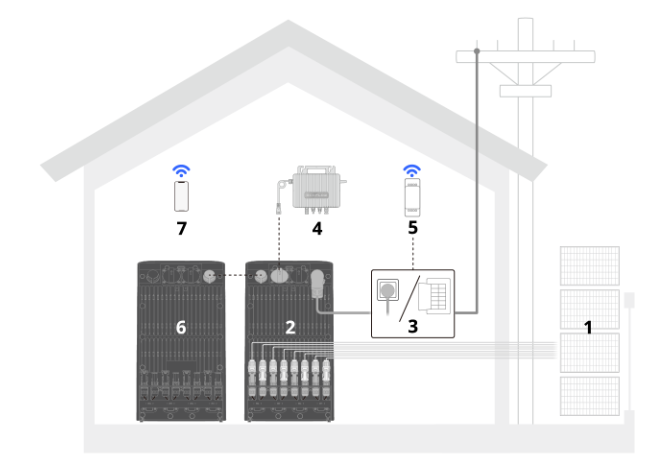
What Is a Plug & Play Solar Plant?
A simple breakdown of the EcoFlow STREAM plug & play solar plant — what each part does, how they connect together, and why it’s one of the easiest ways to add solar storage to your home.
Read more →Plug-in solar kits, explained for UK buyers — how they work, what's worth the money, and how to get set up. Updated for the 2026 government reforms.
Small solar panels that connect via a micro-inverter to a standard wall socket — no roof installation and no hard-wired work. A 400W panel in Southern England typically generates 350–420 kWh per year (300–370 kWh in Scotland). A practical way for renters, flat-dwellers and small-garden homeowners to start generating their own power — and, after the UK government's March 2026 announcement, an explicitly supported option for UK households.
Read the Full GuideThree steps, no roof installation.
Pick a system sized to your space and daytime usage. Kits start from around £300.
Mount the panels, connect the micro-inverter, plug into a standard socket.
Free solar covers your base load. Save £100–£250 a year.
Mounts on balconies, walls, or garden stands. Non-permanent fixings suit flats, rentals, and small gardens.
Kits arrive ready to install — mount the panels, connect the inverter, plug it in. No scaffolding, no drilling roof tiles.
Most modern kits come with an app showing real-time generation. See exactly how much free power you're producing.
Cover your base load with free solar. Save £100–£250 per year depending on usage and placement.
For flat dwellers, renters, and small gardens. Non-permanent systems that move with you.
Each panel prevents roughly 300 kg of CO2 per year. Clean energy from your own balcony, garden, or roof.
Compare the key components of a plug-in solar system, side by side.
Rigid and flexible panels available in the UK — specs, prices, and what to look for.
12 panels listed · bifacial vs monofacial · up to 23.8% cell efficiency
Portable power stations and home batteries — capacity, cost, and compatibility.
9 batteries listed · EcoFlow STREAM, Fogstar, Tesla · LiFePO4 throughout
Microinverters for plug-in solar — output, features, and safety certifications.
5 microinverters compared · EN 50549 compliant · from £129
In-depth guides to help you understand the technology and make informed decisions.
Common myths about solar panels in the UK — busted with evidence and real figures.
Three inverter technologies compared — which one suits your setup?
How to set up solar in your garden, shed, or garage — options and practical tips.
Plug-in solar works on its own — but pairing it with a battery unlocks a second saving stream.
Without a battery, any daytime power you don't use on the spot is effectively wasted. Add a home battery and you can store the surplus for the evening peak. On a smart tariff like Octopus Go, you can also charge the battery overnight at ~7.5p/kWh and discharge it during peak hours (30p+/kWh). That alone is worth £200–400 a year, even with no solar generation at all.
Plug-in solar kits must use a microinverter certified to EN 50549 with built-in anti-islanding — so it shuts off automatically if the grid goes down. UK home installations should also be compatible with BS 7671 wiring regulations. Before connecting any generation equipment to your mains supply, talk to your Distribution Network Operator (DNO) and a qualified electrician. Unbranded marketplace units without certifications are a safety hazard — skip them.
The main plug-in solar kit vendors available in the UK.
One of the biggest names in portable power and plug-in solar. Their PowerStream system is the most popular balcony solar kit in the UK.
Strong budget contender for plug-in solar. The PS240 balcony system offers 1.96 kWh expandable to 9.79 kWh from £799 — one of the best-value plug-in batteries on the UK market.
Everything you need to know about plug-in solar in the UK.
Plug-in solar kits explained for UK buyers — what they are, how the micro-inverter works, and what to think about before you buy.
Every key date from the March 2026 government announcement through the BSI product standard to the Amendment 4 deadline — and what each one means for buyers.
Plain-English guide to the UK wiring regulations update that makes plug-in solar possible — what changed, when it takes effect, and what it means for a 13A socket kit.
Guides, reviews, and tips to help you get the most from plug-in solar.
A simple breakdown of the EcoFlow STREAM plug & play solar plant — what each part does, how they connect together, and why it’s one of the easiest ways to add solar storage to your home.
Read more →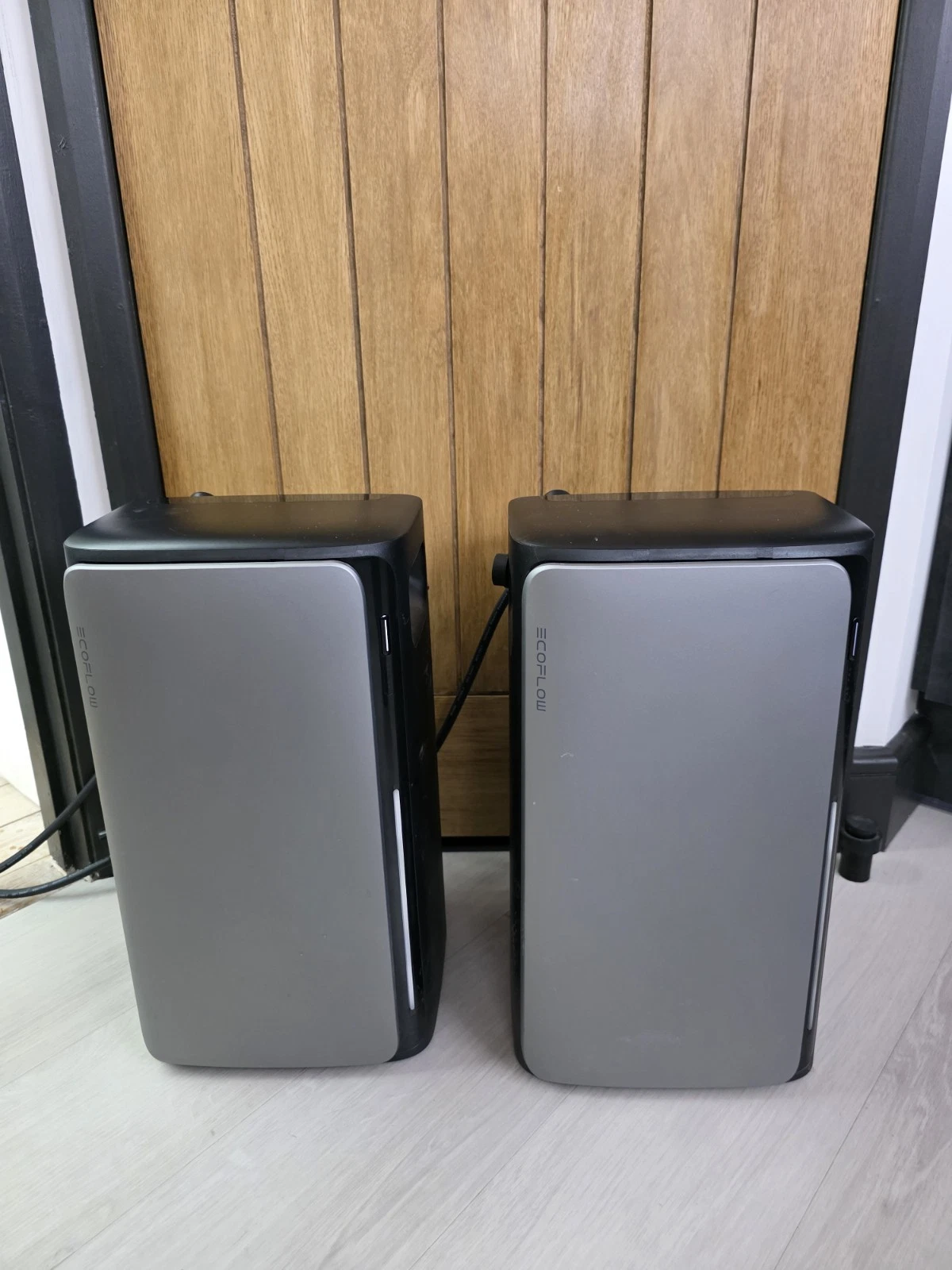
Ecoflow are bad at naming their products. This guide provides a clear, simple comparison of all six EcoFlow STREAM batteries — Ultra X, Ultra, Pro, Max, AC Pro, and AC. What’s the difference, which has solar connectors, and which one suits your setup?
Read more →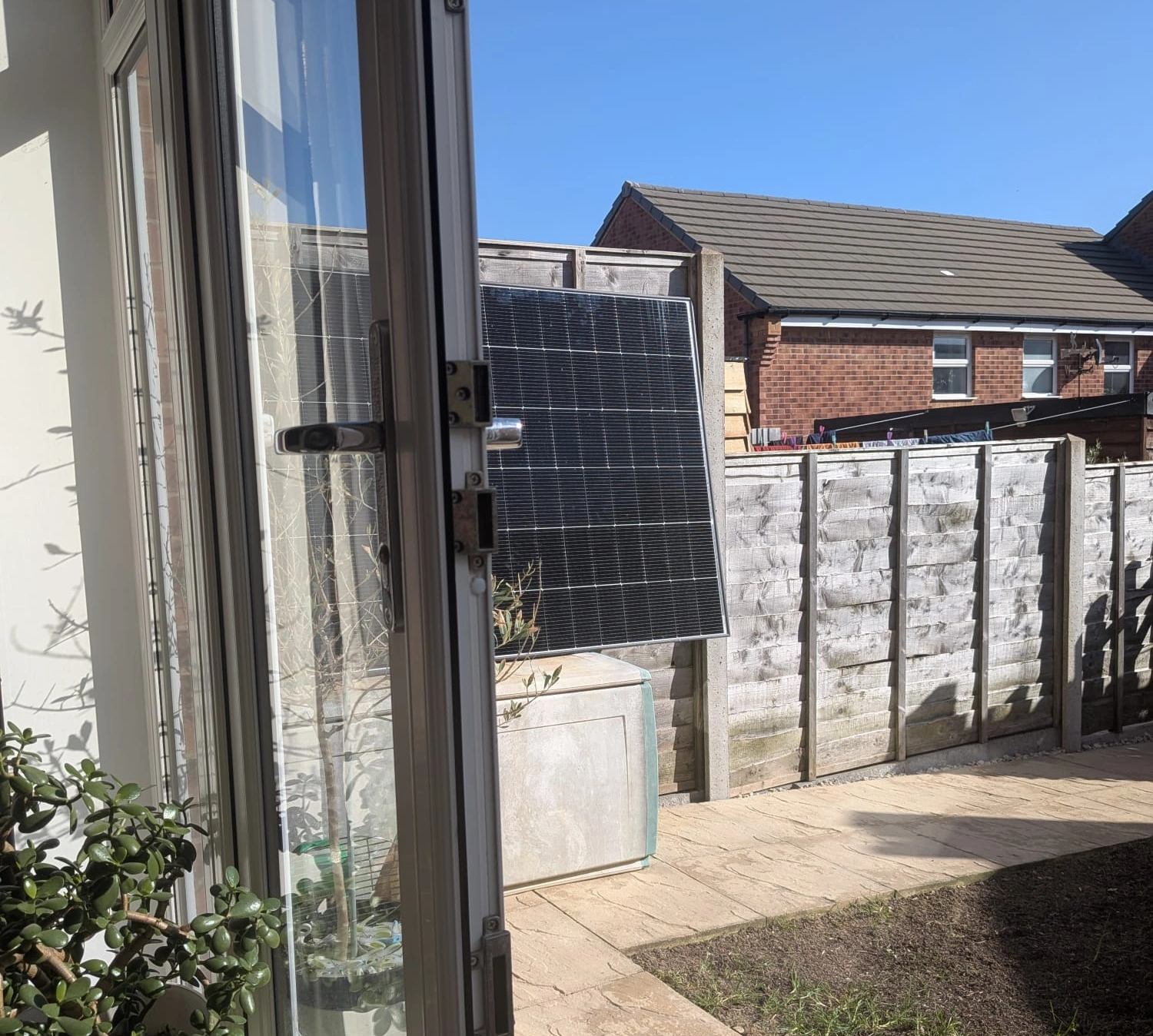
I bought the EcoFlow STREAM Microinverter for £91 in a sale and paired it with two cheap 450W panels. Here's how I set it up, what it cost, and whether it's worth it.
Read more →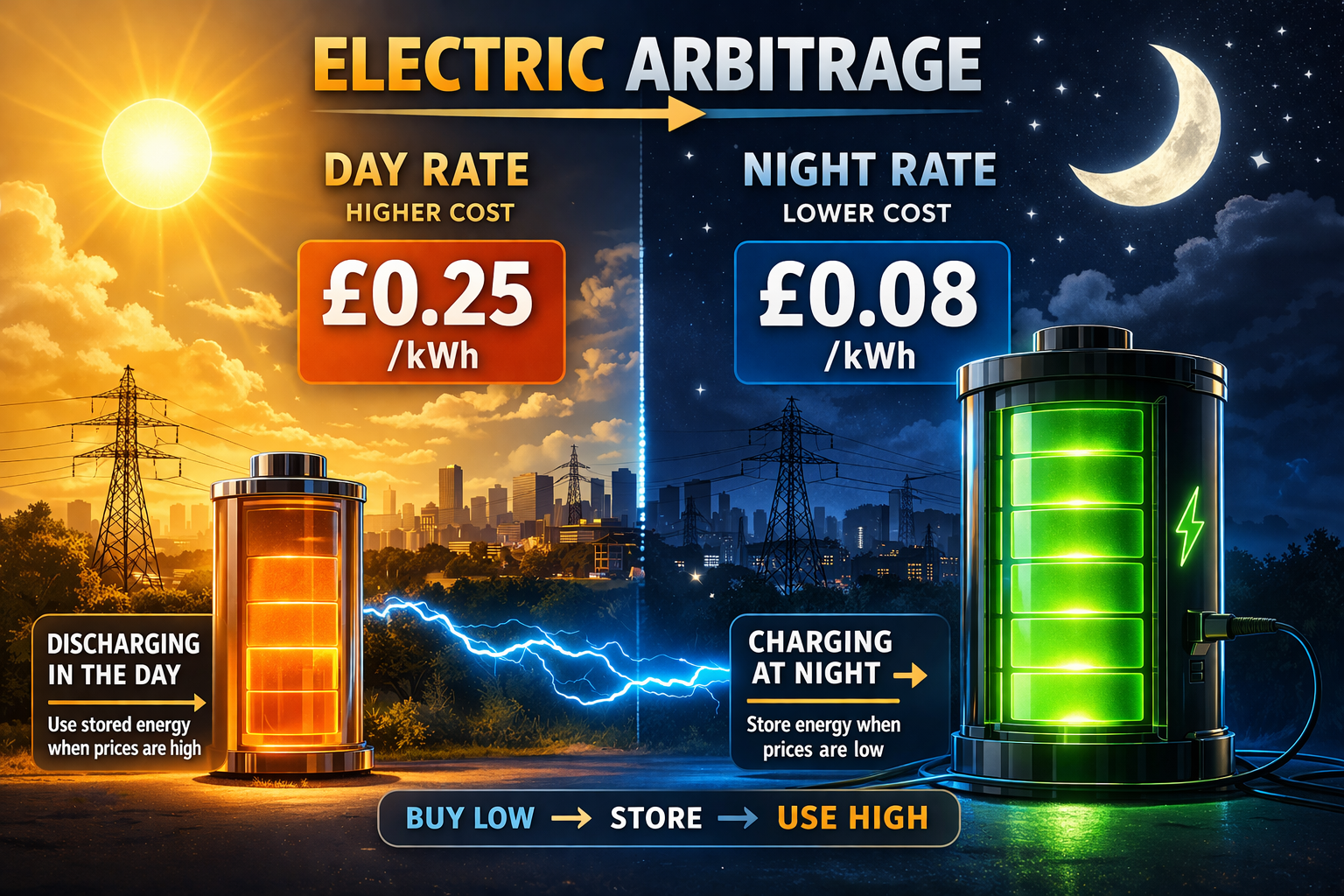
How to schedule your EcoFlow batteries to charge overnight on cheap-rate electricity and use stored energy during expensive peak hours - saving hundreds per year.
Read more →The questions people ask us most about plug-in solar kits.
Plug-in solar kits (sometimes called balcony solar) are small photovoltaic systems with a built-in micro-inverter. The inverter converts the panel's DC output to mains-compatible AC and is designed to feed that power into your home's circuit via a standard wall socket. They're popular across Europe with renters, flat-dwellers, and anyone who can't install rooftop PV.
Roughly £100–£250 per year for a typical kit, depending on panel size, placement, your tariff, and how much of your daytime consumption you can cover directly. A well-sited system generates most of its power during the hours when your fridge, router, home-office kit, and standby loads are already drawing current — which is where the real savings come from.
Plug-in kits are one of the most practical options for renters and flat-dwellers because they use non-permanent fixings and don't need any roof work. Always check your tenancy agreement and, for flats, your building's rules about balcony fixings before buying. And consult your DNO and a qualified electrician before connecting any system to your home's mains supply.
A panel (or pair of panels) generates DC electricity from sunlight. A micro-inverter attached to the panel converts that DC to AC at mains voltage and frequency. The AC output is fed into your home via a standard socket, and your appliances consume it in preference to grid power — so your meter reads less demand while the sun is shining.
Look for a micro-inverter that carries CE or UKCA safety markings and has built-in anti-islanding protection (so it shuts off if the grid goes down). Check what mounting hardware is included for your situation — balcony brackets, ground stands, or wall mounts are all different. And check the warranty length: the better brands offer 5–10 years on the inverter and 20+ on the panels.
Yes — before connecting any generation equipment to your home's mains supply, we'd always recommend talking to your Distribution Network Operator (the company that owns the power lines running into your home) and a qualified electrician. They can tell you what applies to your specific property, your tariff, and your building.
What the UK media is saying about balcony and plug-in solar.